



News & Events
Pakistan’s Largest Cotton Recycling Facility: ADM’s Commitment to Circular Denim
Recycling only matters at the level where it can influence sourcing decisions, production planning, and compliance risk. That is where ADM’s cotton recycling operation stands apart. As Pakistan’s largest cotton recycling facility, with the capacity to process 2,000 tons of cotton waste per month, ADM has built recycling into industrial reality rather than pilot-stage ambition. The output does not sit on the margins of the business. It moves back into ADM’s own denim production through a fully integrated vertical platform that connects waste, fiber, and fabric in one operating system. ADM also positions cotton recycling as one of its core divisions within that wider vertical model.
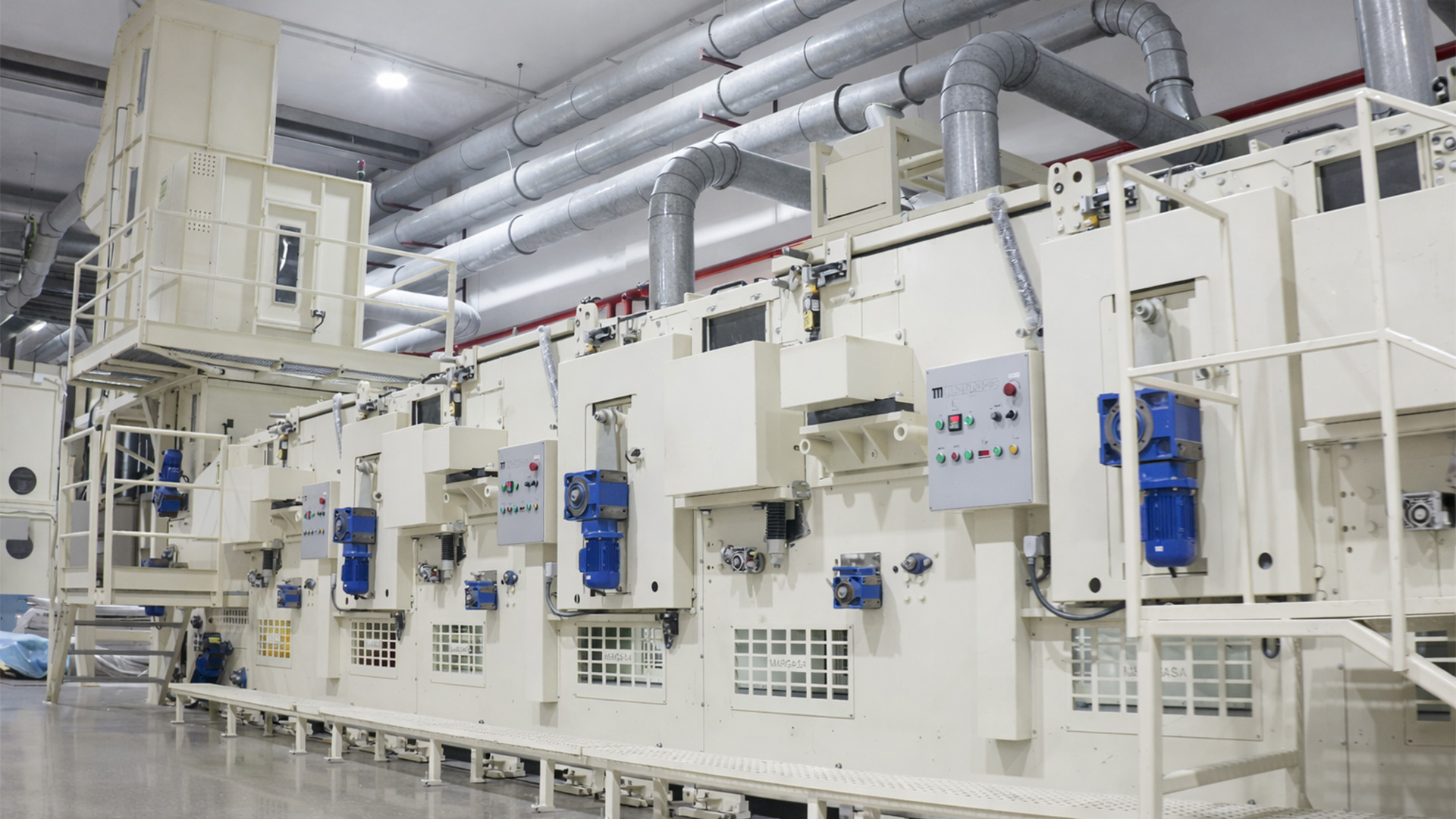
Pilot projects have their place, but they do not move supply chains. What moves supply chains is consistency: fiber that arrives on time, in volume, to a reliable specification. That is what ADM built. Operating Pakistan’s largest cotton recycling facility, the company processes cotton waste at a scale that makes recycled fiber a genuine raw material input, not a marketing footnote. Brands sourcing from ADM are not buying into a sustainability experiment. They are buying into an industrial process that has already proven itself.
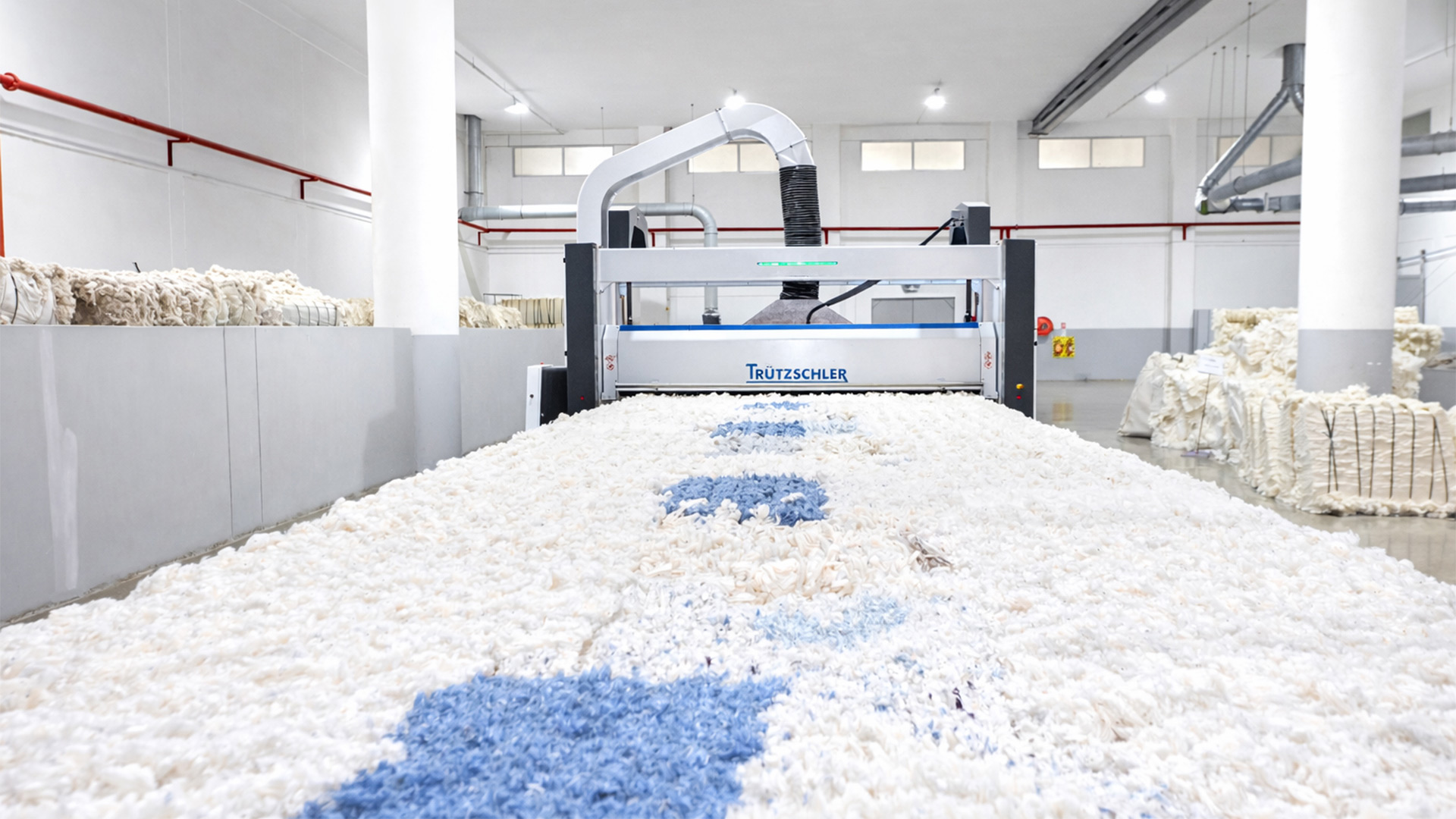
A recycling facility that sits outside the main production chain creates a traceability gap. ADM closed that gap by building its recycling operation directly into its vertical platform, from fiber processing through to finished fabric. There is no handoff between independent parties, no point in the chain where provenance becomes difficult to verify. When a brand needs to demonstrate the origin and handling of its recycled content, ADM can account for every stage. That kind of structural transparency is increasingly what separates credible sourcing from well-intentioned claims that do not hold up to scrutiny.
ADM’s role does not end with supplying its own denim lines. The company also provides recycled cotton fiber to other mills, often under nomination by global brands. That expands the strategic value of the operation. It means ADM is not only a manufacturer using recycled inputs internally; it is also a fiber partner helping brands bring more credible recycled content into broader sourcing networks.
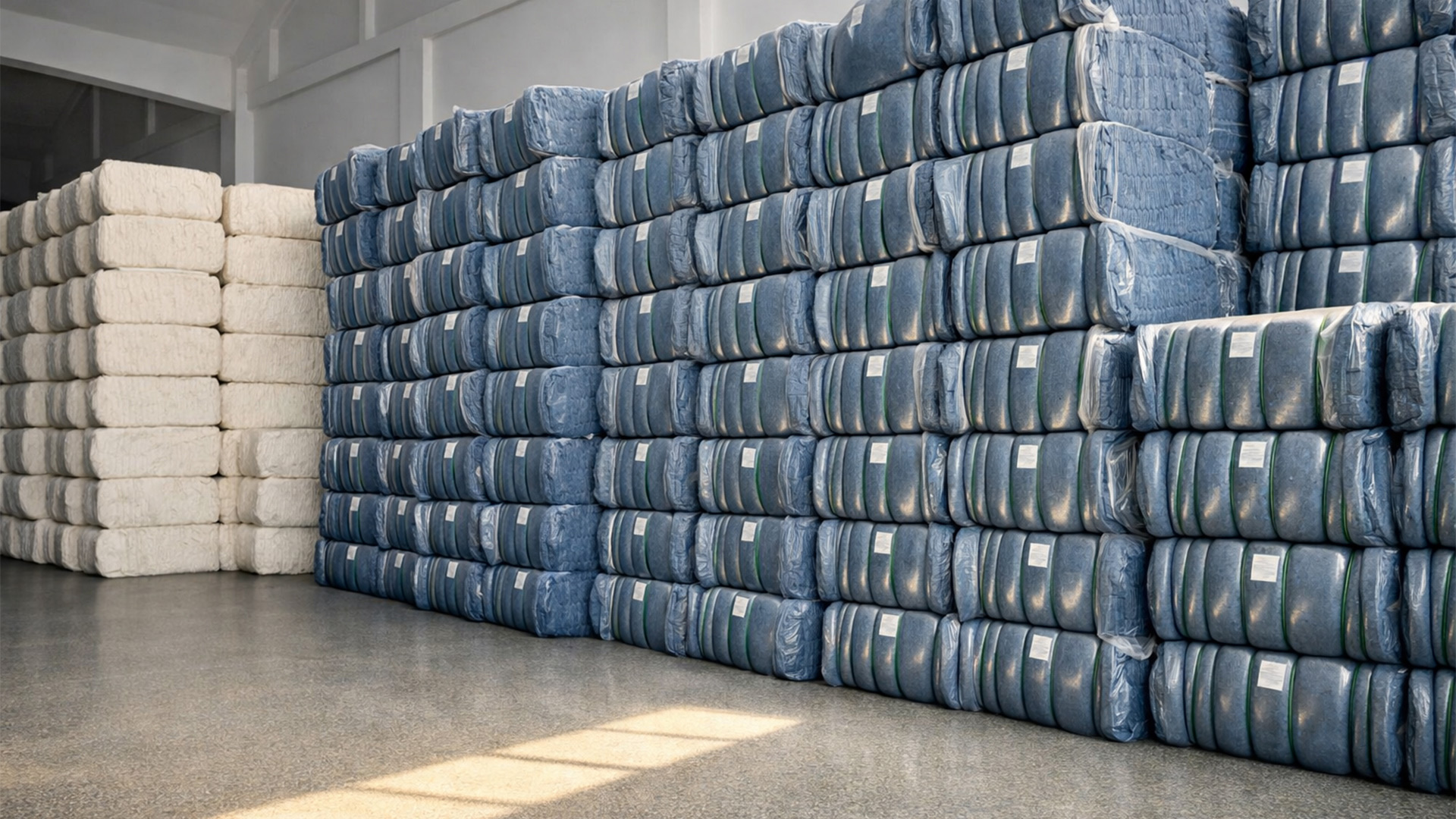
As EU legislation on sustainability, circularity, and extended producer responsibility continues to develop, brands sourcing from conventional supply chains face growing exposure. Brands that have not already built traceable recycled fiber into their supply chains will eventually have to. Doing that under deadline pressure, sourcing from facilities that are scaling up rather than already at scale, carries real risk — both commercially and reputationally. ADM’s infrastructure exists now, which means the brands working with ADM are building compliance into their sourcing today rather than retrofitting it later.
ADM’s cotton recycling model speaks to a larger business proposition. Circularity works best when it is tied to manufacturing discipline: stable input streams, operational control, credible traceability, and the ability to support long-term sourcing decisions. ADM brings those elements together in one system.
See the fabric collections behind ADM’s denim manufacturing
From sustainable fiber dyed earth tones to authentic indigo rope dyed denim, explore the fabric collections that ADM brings to global fashion brands.
Related News & Events